
The Sourdough Bread

The warm crusty exterior, the soft chewy interior, and the unmistakable tanginess of sourdough bread are simply irresistible. What sets this recipe apart is not just the delightful crunch when you take your first bite, but also the comforting process of crafting it from scratch. As you knead and shape the dough, the transformative magic of fermentation fills your kitchen with an alluring aroma that hints at the delicious hours to come.
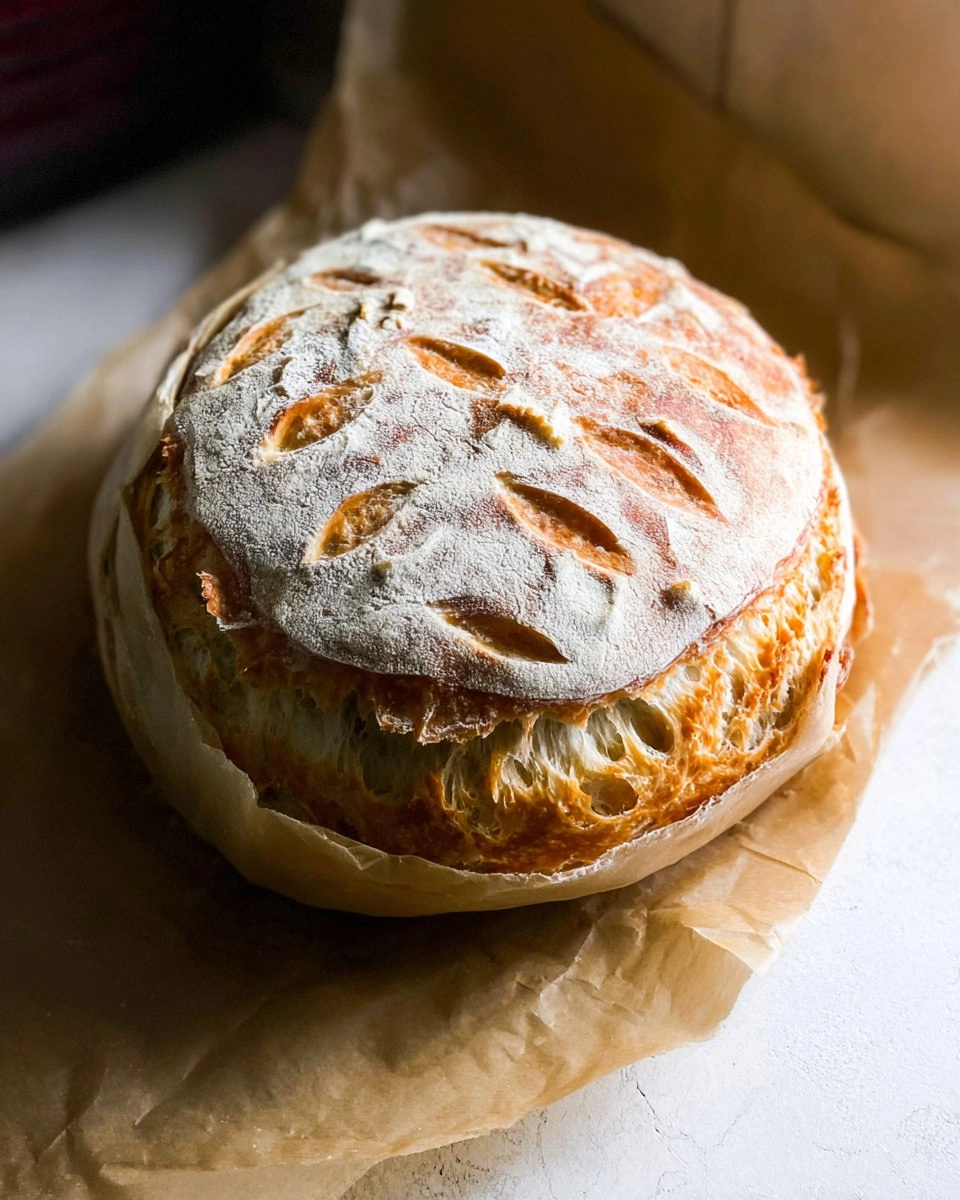
I remember the first time I attempted to make sourdough bread; I was both excited and apprehensive. After all, there’s something beautifully daunting about nurturing a living starter and patiently waiting for your dough to rise. Yet, the moment my loaf emerged golden and crackling from the oven, I knew that this was going to be a staple in my home. The best sourdough bread is not just a recipe; it’s an experience, and I can’t wait for you to share in it.
Table of Contents
Why You’ll Love This Recipe
- Simple & Quick: With just a bit of patience, you’ll have freshly baked sourdough in about 10 hours, perfect to start your day!
- Irresistible Flavor: Each slice bursts with tangy flavor and gorgeous texture that store-bought bread can’t match.
- Eye-Catching Appeal: Rustic and beautiful, homemade sourdough is perfect for bragging rights at brunch or dinner parties.
- Flexible Serving: Enjoy it with butter at breakfast, use it for decadent sandwiches, or serve it alongside soup for an ultimate comfort meal.
- Diet-Friendly Options: This recipe is straightforward, gluten-free alternatives can be explored with proper substitutions.
Ingredients You’ll Need
- 125 g active sourdough starter: The heart of your sourdough, this living culture ferments and imparts flavor. Ensure it’s bubbly and active; if it floats in water, you’re set!
- 325 g warm water: Warm water helps wake up the yeast in your starter, ensuring that the dough rises adequately. Aim for a temperature around 90°F to 100°F.
- 500 g bread flour: Higher in protein than all-purpose flour, bread flour provides the structure necessary for your loaf. If you’re in a pinch, you can substitute with all-purpose flour, but the texture might be slightly different.
- 10 g salt: This ingredient enhances flavor and helps regulate how fast the fermentation happens. Always choose fine sea salt for even distribution.
How to Make The Sourdough Bread
Feed Your Starter: About 4 to 8 hours before you plan on baking, mix 50 g of your active sourdough starter with 100 g of flour and 100 g of warm water in a clean bowl. Let it sit until it doubles in size, which ensures a robust fermentation. Not sure it’s ready? Perform the float test—drop a spoonful in a glass of water; if it floats, carry on!
Mix the Dough: In a large mixing bowl, combine your active starter with 325 g of warm water, stirring until it looks milky. Gradually add in 500 g of bread flour and 10 g of salt, using a wooden spoon or dough whisk to bring everything together into a shaggy dough.
Rest & Hydrate: Cover the bowl with a clean kitchen towel and let it rest for an hour. This initial hydration phase is crucial as it allows the flour to absorb the water fully, making the dough easier to handle.
Stretch & Fold: After the dough has rested, it’s time to build that gluten strength. Every 30 minutes for the next two hours, perform 3 to 4 stretch and folds. Pull one side of the dough, stretch it up and fold it over itself, turning it 90 degrees in between folds. Once you’ve done this a few times, cover the dough and let it bulk ferment at room temperature for anywhere between 4 to 12 hours.
Shape the Dough: Once the bulk fermentation is done and your dough looks bubbly and puffy, it’s time to shape it. Lightly flour your counter and gently turn the dough out. Shape it into a rectangle, fold the sides like an envelope, and then roll it into a tight ball. Use gentle push-and-pull motions to create that lovely tension on the surface.
Cold Proof for Deep Flavor: Place your shaped dough seam-side up into a floured banneton or a bowl lined with a clean towel. Cover it and let it rest at room temperature for 30 to 60 minutes. For a more pronounced flavor, refrigerate it for 12 to 48 hours. This cold fermentation creates depth and complexity in flavor.
Score & Bake Like a Pro: Preheat your oven to 450°F (230°C) with a Dutch oven inside for at least 15 minutes. Carefully flip your dough onto a sheet of parchment paper, dust lightly with rice flour if desired, and score the top with a razor blade or sharp knife. Transfer it to the preheated Dutch oven, cover it, and bake for 30 minutes. Uncover and bake for another 15 minutes until beautifully golden brown and crusty.
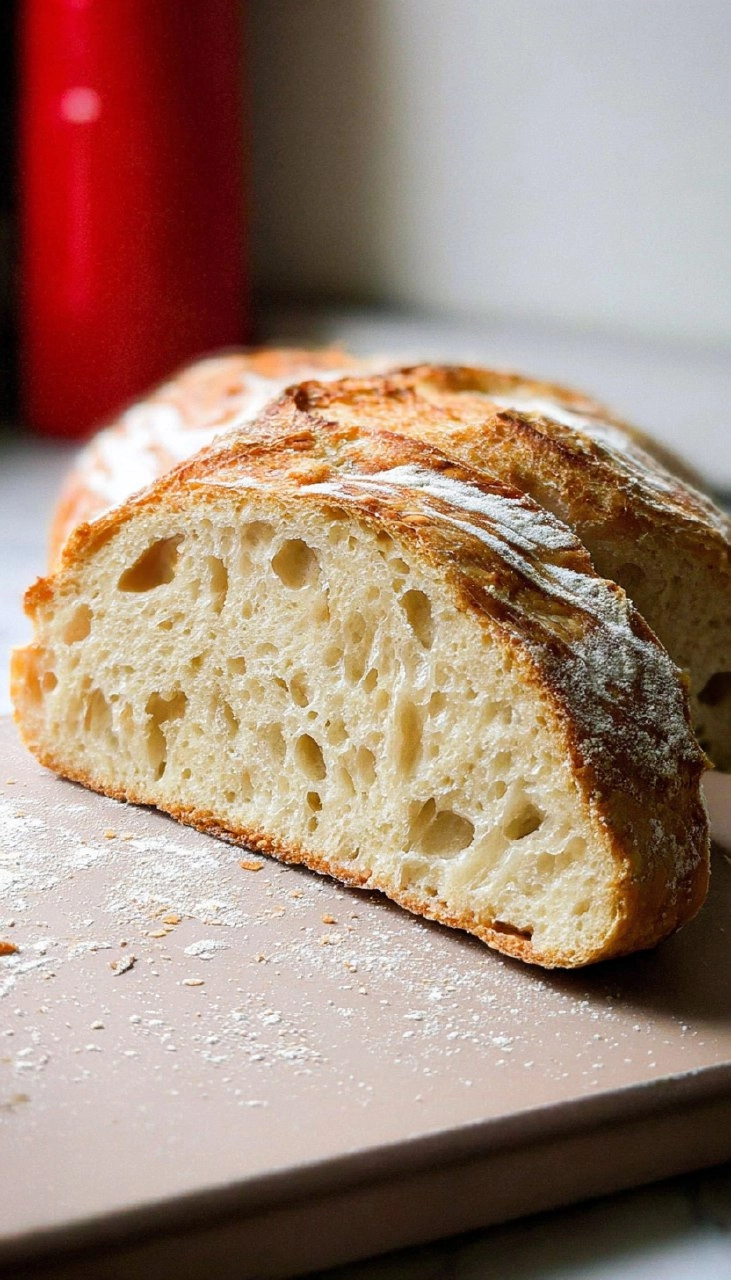
Cool (If You Can Wait That Long): The hardest part! Allow your sourdough to cool on a wire rack for at least one hour. This step is essential as it helps prevent a gummy texture. Slice, spread with butter, or keep it for your next gourmet sandwich—whatever you do, enjoy every chewy, flavorful bite!
Storing & Reheating
To keep your sourdough stored, place it in a paper bag or a bread box at room temperature for about 2-3 days. If you need it to last longer, wrap it tightly and refrigerate for about a week. For extending its life even further, slice and freeze it in an airtight container for up to 3 months. When you’re ready to enjoy it again, simply thaw or toast, reviving its freshness!
Chef’s Helpful Tips
- Don’t rush the fermentation: Make sure your dough has plenty of time to ferment—it’s key to flavor and texture.
- Temperature matters: Always keep your water warm but not hot, as high temperatures can kill your yeast.
- Storage strategy: If you notice your sourdough going too stale, consider making breadcrumbs or croutons instead.
- Sourdough starter care: Always feed your starter at regular intervals to keep it vibrant and healthy.
- Experiment with flavors: Try adding seeds, nuts, or even herbs during the mixing stage for different taste variations.
The journey of making sourdough bread is as enjoyable as relishing the final product itself. Not only do you get to experience the satisfaction of baking bread from scratch, but you also create warm memories of sharing it with others. As you dive into this process, let your curiosity guide you. Don’t hesitate to try new twists or serve it in unexpected ways. I hope you embrace the process, make it your own, and enjoy every slice!
Recipe FAQs
How do I know when my sourdough is done fermenting?
Can I use all-purpose flour instead of bread flour?
What should I do if my bread doesn’t rise?
How can I enhance the flavor of my sourdough?
More Dinner Recipes
👉 If you make my The Sourdough Bread recipe, please leave a comment and a star rating — it really helps others discover the recipe.
Follow me on
Pinterest
for more easy recipes.

The Sourdough Bread
- Prep Time: 600 minutes
- Cook Time: No data
- Total Time: 0 hours
- Yield: 12 servings 1x
- Category: Bread
- Method: Baking
- Cuisine: Artisan
Description
This Sourdough Bread is uniquely flavored and easy to prepare, featuring a minimal ingredient list that brings out the best in bread-making. Perfect as a side for any meal or for sandwiches.
Ingredients
- 125 g active sourdough starter
- 325 g warm water
- 500 g bread flour
- 10 g salt
Instructions
- Feed your starter by mixing 50g of starter with 100g flour and 100g water, and let it double in size for 4-8 hours.
- In a large bowl, dissolve the active starter in warm water until it looks milky. Add the bread flour and salt; mix until a shaggy dough forms.
- Cover the bowl with a kitchen towel and let the dough rest for 1 hour to hydrate the flour.
- Perform 3-4 sets of stretch and folds every 30 minutes, then let the dough bulk ferment at room temperature for 4-12 hours.
- Lightly flour your counter and gently turn out the dough. Shape it into a rectangle, fold it like an envelope, and roll it into a ball.
- Let the dough rest for 30-60 minutes at room temperature, then refrigerate for 12-48 hours for deeper flavor.
- Preheat the oven to 450°F (230°C) with a Dutch oven inside. Prepare the dough on parchment paper, score it, and transfer it to the preheated pot. Bake covered for 30 minutes then uncovered for 15 minutes until golden brown.
- Cool the bread on a wire rack for at least an hour before slicing. Serve with your favorite toppings.
Notes
Make sure your sourdough starter is active and bubbly for best results.
Longer cold proofing times add more flavor to your bread.
Using a Dutch oven helps to create the perfect crust.
Nutrition
- Serving Size: 1 slice
- Calories: 150
- Sugar: 0g
- Sodium: 150mg
- Fat: 2g
- Saturated Fat: 0g
- Unsaturated Fat: 1g
- Trans Fat: 0g
- Carbohydrates: 28g
- Fiber: 2g
- Protein: 5g
- Cholesterol: 0mg